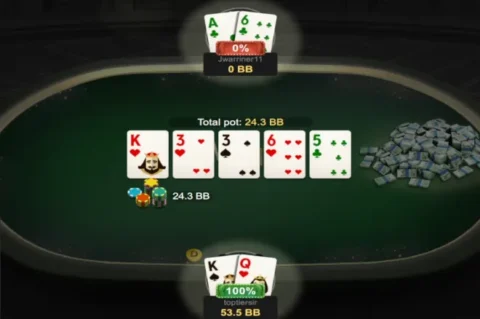
Tournament alerts, streamed tables, live chat, and mobile play have changed online poker into a much more active experience. Modern platforms invested heavily to keep players connected because the game now competes against everything else happening on a phone.
Poker players spend almost as much time interacting with the software around the table as the cards sitting on it these days. Tournament alerts hit phones instantly, streamed final tables fill live chats for hours, and YouTube is full of Texas Hold ‘Em videos and livestreams while poker platforms constantly push players toward quicker games, faster decisions, and more active table environments. That change has become especially noticeable on mobile because online poker no longer competes only with other poker rooms; it competes with every other form of digital entertainment sitting one tap away on the same screen.

Online Poker Tables Stay Active Beyond the Cards
For all the talk of tech — and there is a lot of it that needs discussion — the game of poker still revolves around the basics. A game of skill founded on reading the cards and reading the players. Decision making is still the number one ability, but the tech around the game has become far more impactful.
Modern casino ecosystems have adapted to technological advancements because poker players already expect instant action once they log in. The mobile-first gambling environments of Voltrush place heavy focus on quicker navigation, live dealer integration, streamlined crypto banking, and active table environments that keep play moving. That style of platform design fits naturally beside modern online poker habits because players don’t have the patience for slow-loading systems and delays as they did even a few years ago.
Poker streams also changed player expectations around interaction. Online tournaments now generate constant discussion around big hands, daring bluffs, and final-call decisions, all while events are still running. The feedback is more reminiscent of a fast-paced rugby radio broadcast move-by-move commentary than the slow and deliberate analysis one saw but a decade ago on television streams. On the table chat moves faster, player communities stay active throughout sessions, and spectators increasingly participate in the experience instead of simply watching silently from the outside. Even just watching now has turned from merely watching to commenting.
Mobile Play Is Changing Poker Habits
According to the IMARC Group, Australia’s online gambling market reached USD 5.5 billion during 2025, and projections place the market at USD 9.0 billion by 2034, thanks to continued smartphone use and digital gaming adoption.
It’s easy to see the growth once you watch how poker players use mobile platforms today. Tournament sessions continue across multiple devices during the same evening; registration happens on phones while people wait in supermarket queues or watch sport; and chip stacks are checked on the go without opening laptops at all. Poker platforms adapted because mobile gambling behaviour changed much faster than many operators expected.
The bulk of poker software now works more closely with mainstream entertainment apps than with older gambling websites. Notifications appear immediately as tournaments approach important stages, active tables reopen automatically, and mobile interfaces prioritise speed because players abandon slow systems in a hurry once sessions get too sluggish for the modern audience’s expectations.
Features poker players increasingly expect from mobile platforms include:
- Fast account access
- Instant tournament notifications
- Quick table switching
- Cross-device session continuity
- Integrated live dealer environments
Competition for attention sits at the centre of modern online poker design. Poker rooms compete directly against streaming platforms, live sports, gaming apps, and social media feeds sitting on the same device.
Live Dealers Are Bringing Energy Back Into Online Gambling
In a 2024 live dealer casino market report from Growth Market Reports, authored by Debadatta Patel, live dealer technology has become one of the biggest drivers of interactive gambling growth, as players increasingly seek visible human interaction with digital games. Global projections for the live dealer casino sector place the market at USD 20.4 billion by 2033 after reaching USD 7.8 billion during 2024
Poker players respond strongly to that environment because live interaction has always been part of poker culture itself. Conversation around the table changes decision-making constantly, player reactions create pressure during hands, and streamed events generate audience participation that older online poker rooms never managed particularly well.
Modern gambling platforms increasingly build around that expectation: multi-view streaming layouts, active chat systems, live presenters, rapid table switching, and responsive mobile interfaces all create gambling environments that stay busy even during slower stretches of gameplay. The table below shows some of the technology features driving that change, along with the practical effect they have on online poker sessions.
| Technology Feature | Effect on Online Poker | Practical Player Benefit |
| Live dealer streaming | More visible human interaction | Sessions become more social |
| Cross-device syncing | Tables continue across devices | Less interruption during tournaments |
| Interactive table chat | Faster player discussion | More active table atmosphere |
| Tournament notifications | Immediate updates during play | Easier tournament tracking |
| Mobile quick-seat tools | Faster table access | Short sessions become simpler |
Poker culture now overlaps heavily with streaming culture because players increasingly expect discussion around the action instead of silence around static tables. Big online tournaments generate live commentary for hours across social platforms, and VoltRush has leaned into that faster style of interaction to better serve the demands of modern-day poker culture.
Smarter Software Is Changing the Way Poker Works
Technology inside online poker now extends far beyond graphics and connection speeds. Poker software increasingly tracks player behaviour, recommends tables, adjusts interfaces around playing habits, and pushes players toward faster interaction throughout sessions.
According to a 2025 PokerBench study by Richard Zhuang, Akshat Gupta et al, poker creates difficult decision-making environments involving incomplete information, probability, and behavioural prediction. That research explains why poker continues appearing regularly inside artificial intelligence development because poker forces software to process uncertainty, timing, aggression, psychology, and changing player behaviour simultaneously.
Those systems increasingly influence mainstream gambling platforms as well. Statistical overlays, simplified tracking tools, personalised recommendations, and adaptive mobile interfaces now appear regularly across modern casino ecosystems because operators understand players expect responsive systems instead of static software.
A lot of poker players also have a different approach to studying hands now. As big tournament clips spread, AI-assisted analysis tools instantly break down decisions and group discussions around strategy happen continuously during live events instead of hours later on forums. Put another way: analysis happens on the fly now, not as something to be dissected at leisure after the fact.
Noam Brown, one of the creators of the Pluribus poker AI system, said ‘I think our latest techniques will be adopted by poker training tools’ while discussing the long-term impact of multiplayer poker AI systems. That influence already appears across modern online poker through faster hand analysis, AI-assisted reviews, and software that keeps players interacting with strategy long after sessions finish.
VoltRush Online Casino reflects the broader movement toward faster digital gambling systems built around responsive interfaces, quicker interactions, and continuous player engagement across mobile environments.
Poker Players Still Want Personality Around the Table
Technology has improved online poker most successfully once developers stopped focusing solely on visuals and began improving interaction. Poker players still chase atmosphere, conversation, reactions, and unpredictability during sessions because those things are exactly what make poker different from most online casino games.
Bad beat clips spread through group chats almost instantly now, streamed tournaments produce running commentary for entire evenings, and online poker communities form surprisingly quickly once regular players keep meeting at the same tables. Technology simply keeps those conversations active.
Modern online poker works best when the software supports the culture around the cards rather than distracting from it.
Responsible Gambling Notice
Online gambling should remain a form of entertainment, not a source of income. Players should gamble responsibly and set personal limits around spending and session time where necessary. Australian players can get immediate support from the Gambling Help Online on 1800 858 858.
About The Author