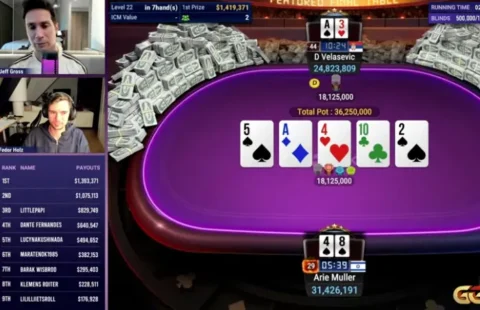
If you grind a lot of online poker, you have probably seen “Bitcoin live dealer” banners in almost every lobby and may have wondered what that actually entails. Most ads never explain what being “crypto” really means. This guide keeps it simple: it shows what differences Bitcoin actually makes in live dealer games, which things will stay the same, and how to read promises with a clear poker player’s eye.
What Does “Live Dealer” Actually Mean?
A live dealer game is a normal casino table with a camera pointed at it. There is a dealer, real cards or a wheel, studio lighting and microphones, and software that turns physical outcomes into digital data. You open the lobby, choose a table, place bets on a digital layout, and watch the dealer work in real time. The system reads the result, updates your balance, and moves to the next round. From a poker point of view, it is like watching a streamed cash game while playing it yourself.
Inside A Live Dealer Bitcoin Lobby
Imagine opening a modern casino lobby. Across the top, you might see navigation for games, promotions, rewards, and a Live Dealer tab. The main grid will usually lay out blackjack, roulette, baccarat, poker, and game show tables from well-known studios, each with betting limits and labels like “Speed,” “VIP,” or “High RTP.”
Filters let you sort by game type or popularity so you can quickly find a low-stakes blackjack table or a specific hold’em variant. Around the footer, you will usually see crypto-focused tools, such as payment-method pages, a short crypto guide, “How to Deposit” walk-throughs, and a help center that explains supported coins and confirmation times.
This is the heartbeat of a live dealer Bitcoin casino. Your journey usually takes you from the live dealer lobby to the support pages, so you can understand timings and limits, then back to the games, where your attention returns to bet sizing, table texture, and the process of having fun.
Even with this clear kind of setup, many players still blur “crypto,” “blockchain,” and “the internet” into one vague idea. Surveys in several countries keep finding that a large share of adults say they do not really understand how crypto works, even when they recognize the logos. This video explores that confusion by asking passers-by whether bold quotes describe early internet hype or modern cryptocurrency enthusiasm.
For poker players, it is a reminder to separate layers and ask whether a big claim is really about payments, game servers, or just branding.
Where Crypto Actually Fits
Crypto sits in the payment side of things, not in the games. On a traditional site, money moves through card processors, bank transfers, and e-wallets. On a crypto casino, the same live games are plugged into different rails:
- You send Bitcoin or another supported coin from your wallet.
- The blockchain confirms the transaction.
- The casino credits your account.
- When you withdraw, the platform reverses the process and sends coins back.
The dealer is not “dealing on the blockchain”; they are running the same game you would see on a fiat site, but all payments are made with digital currency.
What Bitcoin Actually Does In A Live Dealer Game
So, what is Bitcoin doing once you sit down with the dealer? Think of it as the chip rack, not the deck. Your deposit moves from your wallet to the casino’s wallet, is credited to your balance, and from that point, your wagers and results are tracked in the platform’s internal ledger as you play. The dealer is not sending every outcome to the blockchain; the site adds up your net position and only touches the chain again when you cash out. That is why familiar signals, such as studio reputation, clear rules, and published RTP ranges, still matter just as much in a crypto environment as they do on a conventional site.
Quick Checks Before You Sit Down
You do not need to be a developer to understand a Bitcoin live dealer lobby. These are the areas to look out for:
- Game providers: Check for recognized studios with a solid track record.
- Information pages: Look for clear “Payment Methods,” “Crypto Guides,” and FAQ sections in plain language.
- Responsible play tools: A site should provide time reminders, deposit limits, and cool-off options.
- Education: Good platforms will usually offer a simple explainer on Bitcoin gambling.
In the end, a Bitcoin live dealer table is not a brand-new format; it is a familiar live game running on different payment rails. Your core poker habits still matter more than any buzzword: managing bankroll, choosing the right tables, staying aware of tilt, and knowing when to walk away. Once you see that crypto handles how the money moves, while studios handle how the cards are dealt, you can judge Bitcoin live lobbies with the same clear, disciplined mindset you already bring to online poker.
About The Author