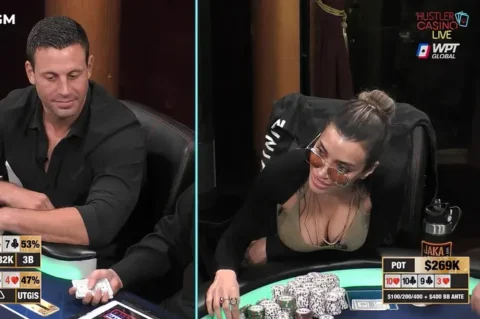
Bad beats hurt. Getting all-in with pocket aces only to watch someone hit their two-outer on the river feels terrible every single time. The frustration doesn’t really go away but learning how to handle it separates winning players from everyone else.

What Actually Counts as a Bad Beat
A bad beat happens when chips go in as a heavy favorite but the hand loses anyway. Say someone flops the top set against a flush draw and loses when the flush hits. That’s a bad beat technically, even though the flush draw had about 30 percent equity. Understanding this changes everything. Pokerology’s overview of fundamental poker concepts explains how variance works over time, and accepting that bad beats will occur helps prepare mentally for when they inevitably show up.
The Expectation Problem
That one time out of five when the underdog hits though? Complete meltdown. The reaction seems justified but it shouldn’t be, because that one-in-five loss is just as expected as the four-in-five wins. The randomness of which specific hand becomes that one loss makes it feel personal when it isn’t.
Here’s something weird that makes sense once you think about it. Good players actually experience more bad beats than weak players do. Solid players get their money in good positions more often, which means they’re favorites more frequently, which means they get sucked out more frequently too.

Taking Breaks Saves Money
Nothing preserves a bankroll better than stepping away after a brutal beat. Whether that’s five minutes or five days doesn’t matter as much as actually doing it. The urge to win the money back immediately destroys more bankrolls than the bad beats themselves. Players who stay after getting crushed often start chasing, making huge bluffs, calling with garbage draws. The thinking becomes “if they can win with junk, so can I” which leads to spewing chips everywhere. Taking time to cool down and returning with a clear head prevents this completely.
Sklansky Dollars and Long-Term Thinking
Understanding poker stats is important to ensure winning. The 10 percent chance of losing exists and will hit eventually. Getting caught in that 10 percent doesn’t change the fact that the decision was correct and profitable long-term. Poker is essentially one long session anyway; individual results matter way less than decision quality over thousands of hands.
Without bad beats, poker wouldn’t be profitable for anyone. The random element keeps weak players coming back because they remember that time they rivered a flush against the top set. Those occasional wins trick them into thinking their play was correct or that poker is mostly luck. Good players should be grateful for bad beats in a weird way. They’re what keeps recreational players in games, convinced they can win despite making terrible decisions most of the time.
Conclusion
Managing tilt long-term requires work beyond just taking breaks. Meditation helps, yoga helps, working with a mental game coach helps. Getting in the right mindset before even starting a session reduces the likelihood of tilt affecting play later. Studying poker fundamentals before playing can reset focus and put the brain in a logical decision-making mode instead of an emotional one. Professional players know time is money though, so finding quick reset methods becomes crucial for staying in action without playing badly. The goal isn’t eliminating emotional reactions to bad beats completely. That’s probably impossible. The goal is controlling those reactions enough that they don’t leak chips through subsequent bad decisions. Winners feel the frustration too; they just don’t let it change how they play the next hand.
About The Author