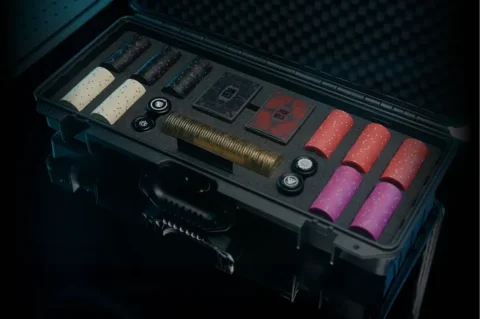
Poker players want a room that feels steady. They want clear rules, decent action, and enough choice to match the day. West Virginia gives you that in a compact form. The state has a legal gambling market, licensed casinos, regulated online casino play, and a poker culture that still values the live table. In fiscal year 2025, the West Virginia Lottery reported more than $1.3 billion in gross sales across its products, with interactive wagering sending $49.8 million to the state in transfers.
That matters for poker because the game depends on the setting around it. A good room lets you settle in and think. A regulated market gives you clearer guardrails on age, payments, and responsible play. West Virginia’s scale helps here. You can find live poker in the state, and you can also use legal online casino products under the state’s interactive gaming law. That gives players more than one way to stay engaged with gambling culture, even when the live table is still the main event.
Where to Begin
With the plethora of options at your fingertips, it’s hard to know where to begin. Thankfully, there are casino comparison sites that have done the hard work for you, discerning which sites are worth visiting for live poker. If you start by reading about online casino options in West Virginia on Casino.org, you will see the complete picture of how the online side now sits alongside the live casino scene. The site reviews licensed state options and explains what players can expect on legality, bonuses, payments and games. That matters because many poker players move between live sessions and online casino products during the same week. West Virginia now offers a broader gambling menu than many people assume and the regulated online side is a key part of that landscape.
What Live Poker Still Teaches Best
Live poker still does the real teaching. A room gives you pace, table talk, betting patterns, and the small shifts in posture that never show up on a screen. West Virginia’s live scene suits players who want that slower, more readable experience. One property in the state openly lists regular poker tournaments on its site, which confirms that tournament play remains part of the local offer. Another resort casino lists poker as part of its casino club. So the state gives you both ends of the mood, from a more direct gaming floor to a more dressed up setting with stricter access rules.
That smaller scene can help a player improve. Big poker hubs create noise. West Virginia gives you more room to observe. You can watch who opens too wide, who calls too much, and who treats every hand like a personal speech. Skill still matters over time. Conducting research through reading about the subject can help you up your game too. A 2022 paper from ETH Zurich found that skilled players dominate online poker ecosystems, and a 2023 study in the Journal of Gambling Studies found meaningful differences between more successful and less successful online poker players. Those findings fit what experienced players already know. Better decisions add up. The table remembers.
How Digital Gambling Changes the Week
The online side changes the rhythm, even for people who care most about poker. West Virginia’s interactive gaming law allows authorized interactive games, which include computerized or virtual versions of casino games. The legal market is there. The player can log in, use a licensed app, and move through a regulated system that covers payments, account handling and consumer protections. The market remains small beside larger states, though it is established enough to matter.
For a poker player, this broader gambling environment shapes how casinos build loyalty offers and cross sell their products. It also shapes how players spend their off hours. You might play a live tournament on Saturday, learn about strategy from a podcast on Sunday, and use a legal casino app on Tuesday night. That is the modern pattern. The phone has become part of the gambling week. A player no longer needs a road trip to stay inside the culture of the game.
How to Get Better Without the Performance
The smart way to improve still sounds old fashioned. Play fewer weak hands out of position. Pay attention to bet sizing. Keep notes after sessions. Value bet when you have the goods. Let the loud players donate when they feel restless. A mature player knows that most profit comes from patience and clarity, not from theatrical hero calls. Rounders gave poker a new audience, though real progress usually looks more like folded hands and cleaner river decisions.
Podcasts can help because they slow the game down and let you hear strong players explain their thinking. A good poker podcast turns one hand into a lesson on ranges, discipline and bankroll control. That matters in a state like West Virginia, where many players may drive a fair distance for a session and want a way to stay sharp between visits. A hand breakdown on the road can do more for your game than another evening of aimless scrolling.
Magazines still have value too. Long form poker writing gives you structure. It explains why a line works, how tournament pressure changes decisions, and where common mistakes begin. Poker remains a game of detail, and magazines are still good at detail. A serious player learns from repetition, and good writing gives you repetition without the cost of another buy in.
About The Author