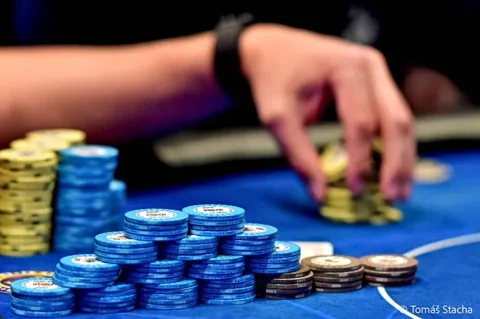
Poker has never been only about the cards themselves. Yes, the cards start the hand, but the decisions that are made around them shape everything else. Position, stack depth, bet sizing, table image, opponent tendencies and timing all sit behind the final result.
Poker has held its place for players who enjoy more than quick outcomes. A strong hand can still be misplayed. A weak hand can still win in the right spot. A losing session can contain good decisions, and a winning session can hide leaks you need to fix later.
This gives poker its long-term appeal. Players are constantly choosing how much information to trust, when to apply pressure, when to fold and when a line makes sense based on the whole hand.

Poker Rewards Patience More Than Impulse
A good poker player isn’t trying to be involved in every hand. Folding is not a pause between interesting moments but one of the most important decisions in the game.
Preflop discipline is the clearest example. A hand may look playable in one seat and weak in another. Ace-ten suited on the button is not the same situation as ace-ten under the gun. Small pairs, suited connectors and broadway cards all change value depending on position, stack sizes and who is likely to act after you.
Patience also protects your bankroll. Players who chase action often create difficult postflop spots with hands that should have been folded earlier. Once you start defending too wide, calling too light or forcing bluffs into poor boards, the session becomes harder than it ever needed to be.
Bankroll Habits Keep the Game Sustainable
Poker players love talking about big pots, hero calls and perfectly timed bluffs, but the unglamorous part often decides how long someone stays in the game. Even strong players run into losing stretches.
Variance can make good decisions look poor for days or weeks. A set can lose to a flush draw. Aces can get cracked. A well-timed bluff can run into the top of an opponent’s range. Without bankroll discipline, those moments can push players into bad games or stakes they should not be playing.
A practical bankroll approach starts with choosing games that suit your limits. Cash games, tournaments and sit-and-gos all create different pressure. Poker also trains players to think carefully about adjacent card-game formats. For example, guides to online blackjack real money options often explain live dealer tables, virtual blackjack, low-limit games and rule variations on licensed online casino platforms.
A poker player having strong bankroll habits isn’t going to remove risk. Instead, it simply keeps risk within a range that you have already accepted.
Position Changes the Whole Hand
Position is one of the first concepts poker players learn, and one of the last they fully master. Acting later gives you more information. You need to truly see who checks, who bets, who hesitates and how the pot develops before you commit any chips.
That advantage shapes hand selection. You can play more hands on the button than in early position because you have more control over later streets. You can apply pressure more effectively, manage pot size and decide whether a marginal hand is actually worth continuing.
Out of position, the hand becomes more demanding. You may have to act without having an idea of how your opponent will respond. A medium-strength hand can become awkward quickly. A continuation bet may face a raise. A check may invite pressure. Even strong hands can be harder to extract value from when you are the first to act.
Players who understand position stop judging hands in isolation and start reading situations. That bit of breathing room is where poker becomes more strategic and far less mechanical.
Review Turns Hands Into Progress
Poker improvement depends on review. Memory alone is unreliable because emotional hands tend to take up too much space. A big river mistake may feel like the whole session. A lucky win may hide several weak decisions.
Hand review gives you a clearer record. You can look back at preflop choices, bet sizing, board texture, turn decisions and river logic. You can ask whether the line made sense against the opponent’s likely range, rather than judging only by the result.
That habit is especially useful for players who move between live and online poker. Live play gives more physical context, table talk and pace changes. Online play gives more volume and cleaner hand histories. Each format teaches something different if you are willing to study it.
A good poker game keeps on rewarding its most loyal players as it gives them just enough elbow room to improve their game. Every hand dealt will leave clues. Every game session shows your opponents’ habits. Every decision that’s made gives you something new to study once the final result fades.
About The Author